 |
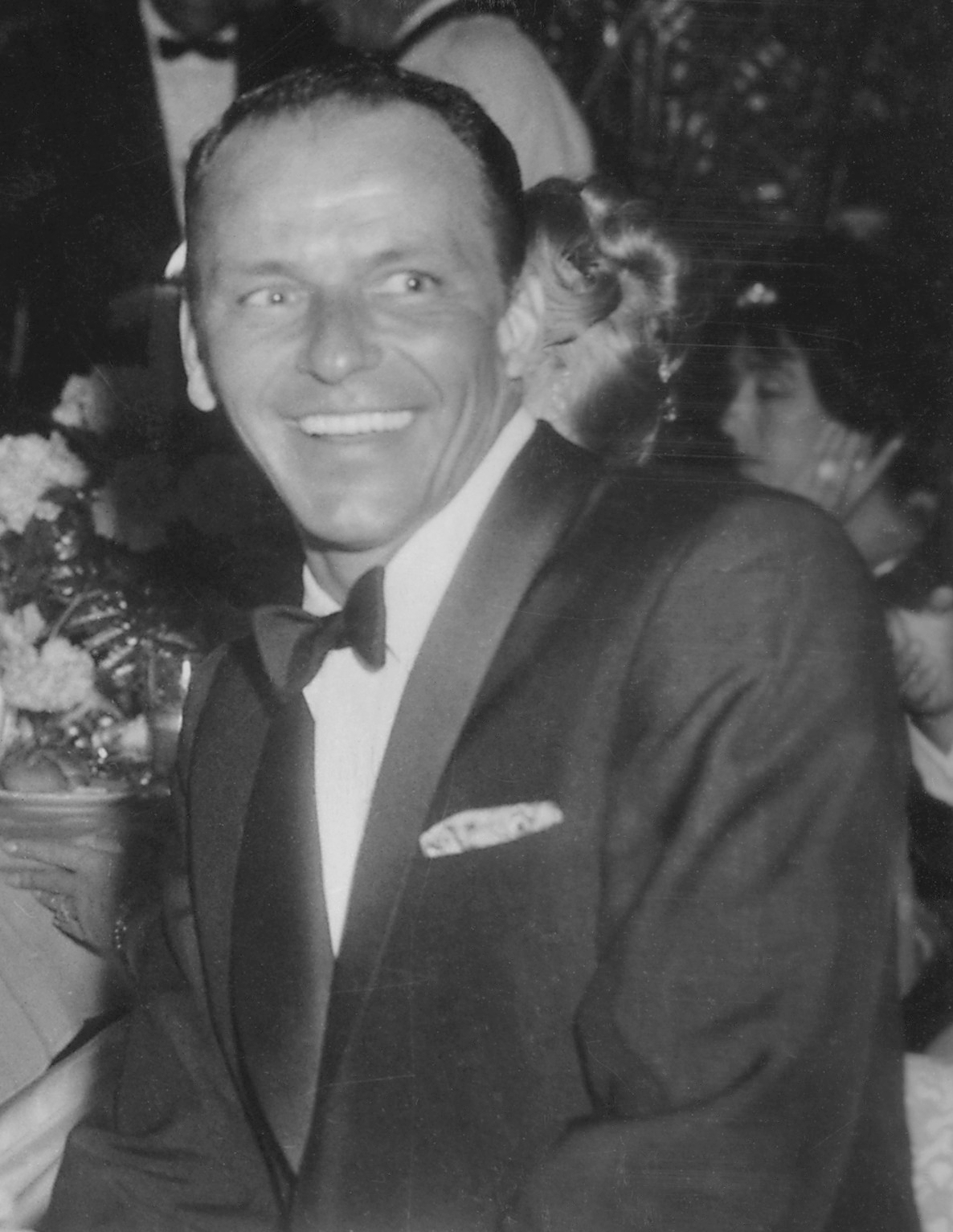
| Sinatra on the town |
An absolute titan of 20th-century entertainment, Frank Sinatra fundamentally revolutionized the art of popular singing by introducing an unprecedented level of intimacy, rhythmic phrasing, and emotional depth to the Great American Songbook. Universally revered for his flawless breath control, crisp diction, and iconic stage presence, Sinatra transformed the role of the big band crooner into a powerful solo cultural force. Over an extraordinary career spanning six decades, he mastered the emerging long-playing vinyl format to create the world's very first conceptual pop albums, earning an immortal legacy as the definitive voice of American mid-century sophistication.
Prior to the meteoric rise of Elvis Presley and rock and roll, Frank Sinatra was the biggest male singing phenomenon that popular music had ever seen. Sinatra’s rise to prominence was accompanied by the same female hysteria that would be heard with the rise of Presley and the Beatles in later decades.
Sinatra was born in Hoboken, New Jersey, in 1915. He got his start as a big-band jazz vocalist with the Harry James Orchestra in 1939. His first recording with James was “From the Bottom of My Heart.” Sinatra would stay with James for about one year and record other sides, such as “Here Comes the Night” and “My Buddy.” In 1940, Tommy Dorsey lured Sinatra away from James, and it was with Dorsey that Sinatra would find stardom. Sinatra’s first recording with Dorsey was “The Sky Fell Down.” Sinatra would stay with Dorsey for five years and record dozens of hit singles, including “Stardust,” “It’s Always You,” “Blue Skies,” and “Embraceable You.”
By the time Sinatra left the Dorsey Orchestra, he was already a pop star and was ready to move on to recordings and performances, with him getting top billing. Sinatra continued to record scads of hit songs throughout the mid-late Forties and early Fifties and branched out as an entertainer by acting in movies. He eventually formed the infamous “rat pack” with show business cronies, Sammy Davis Jr. and Dean Martin.
By the mid-Fifties, when rock and roll was beginning to replace swing and vocal jazz as America’s new pop music, Sinatra openly railed against the new music for being primitive and crude, causing Elvis Presley to publicly express his dismay at the comments.
Sinatra would begin to record his own albums in 1945, with his first notable effort being “The Voice of Frank Sinatra” (1946) on Columbia Records with the Nelson Riddle Orchestra. Several albums would follow, and then in 1954, Sinatra would record his first classic album, “Songs for Young Lovers.” The following year, Sinatra would record the album that is generally cited as his masterpiece, “In the Wee Small Hours,” in which Sinatra delivers sixteen songs of heartbreak in inimitable style.
Technical Catalog Spotlight: In the Wee Small Hours (1955)
Widely recognized as one of the earliest and most influential concept albums in history, this masterpiece explores themes of deep isolation, urban loneliness, and lost love. The production masterfully uses lush, melancholic orchestral backdrops to cradle Sinatra's vulnerable, conversational vocal delivery, creating an intimate late-night listening experience.
- Released: April 1955
- Label: Capitol Records
- Producer: Voyle Gilmore
- Core Personnel: Frank Sinatra (Vocals), Nelson Riddle (Arranger, Conductor), Bill Miller (Piano), George Roberts (Trombone)
- Key Tracks: In the Wee Small Hours of the Morning, Glad to Be Unhappy, I Get Along Without You Very Well
Numerous other essential albums would follow for the next twenty years, with the best being "Songs for Swingin’ Lovers!” (1956), “A Swingin’ Affair” (1957), “Frank Sinatra Sings for Only the Lonely” (1958), “September of My Years” (1965), and “Sinatra at the Sands” (1966).
Technical Catalog Spotlight: Songs for Swingin' Lovers! (1956)
A triumphant, high-fidelity landmark that capturing Sinatra at the absolute peak of his swagger and vocal confidence. The record serves as a masterclass in jazz-pop phrasing, powered by hard-swinging brass patterns and dynamic tempo shifts that completely redefined modern big band pop music.
- Released: March 1956
- Label: Capitol Records
- Producer: Voyle Gilmore
- Core Personnel: Frank Sinatra (Vocals), Nelson Riddle (Arranger, Conductor), Harry Edison (Trumpet), Milt Holland (Drums)
- Key Tracks: You Make Me Feel So Young, I've Got You Under My Skin, Too Marvelous for Words
Technical Catalog Spotlight: Sinatra at the Sands (1966)
This definitive live document perfectly captures the electric charisma, comedic showmanship, and vocal authority of Sinatra during his legendary Las Vegas residency. Backed by the thunderous, precision instrumentation of the Count Basie Orchestra, the high-fidelity recording preserves an ultimate mid-century nightclub atmosphere.
- Released: August 1966
- Label: Reprise Records
- Producer: Sonny Burke
- Core Personnel: Frank Sinatra (Vocals), Count Basie (Piano, Bandleader), Quincy Jones (Arranger, Conductor), Al Grey (Trombone)
- Key Tracks: Fly Me to the Moon, One for My Baby, Come Fly with Me
As an Amazon Associate, I earn from qualifying purchases.


